
First impressions matter. Whether you’re preparing to sell your home or simply want to be the envy of the neighborhood, your home’s exterior sets the tone before anyone steps through the front door.
According to the National Association of Realtors, 92% of realtors recommend that sellers improve their curb appeal before listing their homes. The reason is simple: landscaping alone can increase your home’s value by up to 30%, and well-maintained lawns and native plants can yield up to 217% return on investment. A study by HomeLight in 2024 found that 48% of real estate agents consider improved curb appeal and outdoor spaces the strongest selling point in the current market.
Here’s the short version: you don’t need a massive renovation budget to make a significant impact. Small, strategic improvements across three key areas — pressure washing, lawn care, and decor — can transform your home’s exterior in a single weekend.
Let’s break down exactly how to do it.
Why curb appeal tips matter more than you think
Curb appeal isn’t just about vanity. It’s about signaling to visitors, neighbors, and potential buyers that your home is well-maintained and inviting.
A 2025 study from Weed Man found that 76% of homeowners feel competitive with their neighbors about curb appeal, with the average homeowner spending $122 per month on upkeep. Timothy Sojka, a top-selling Houston real estate agent, puts it bluntly: “Front yards are the first thing people see when they pull up to the front of the house. It’s your advertising, it’s your billboard, it’s everything.”
The good news? Most curb appeal improvements are DIY-friendly and budget-conscious. You just need to focus on the right areas.
Deep clean: The power of pressure washing
If there’s one curb appeal secret weapon that delivers dramatic results with minimal effort, it’s pressure washing. As Alabama-based broker Tiffany Scott notes, “Nothing shows that you take pride in your home as much as a sparkling sidewalk and dirt-free siding. Years of pollen, random stains, or even debris from recent rain or storms come right off and will make your home look 10 years younger in a single afternoon.”
What to pressure wash
Focus on these high-impact surfaces:
- Siding and exterior walls — removes years of accumulated grime, mold, and mildew
- Driveway and walkways — eliminates oil stains, tire marks, and algae
- Decks and patios — strips away weathering and restores original color
- Fences — brightens wood and removes discoloration
DIY vs. professional pressure washing
For most homeowners, renting a pressure washer from your local hardware store is the most cost-effective approach. Expect to pay $40-$100 per day for rental. However, if you’re dealing with delicate surfaces like soft wood, stucco, or if your home is two stories, hiring a professional ($200-$400) might be worth the peace of mind.
Zero-scrub alternatives
If pressure washing feels intimidating, products like Scotts Outdoor Cleaner House & Siding with ZeroScrub Technology offer a simpler approach. At $17.99, this ready-to-spray formula attaches directly to your garden hose and eliminates stains from moss, mold, mildew, and algae without scrubbing. Results appear in as little as 24 hours, and it works on vinyl, stucco, wood, composite, stone, cement, and brick.
Hardware Huddle tip: If you rent a pressure washer, get one with adjustable pressure settings. Start low (around 1,500 PSI for wood decks) and increase as needed. Concrete can handle 3,000+ PSI, but siding needs a gentler touch.
Lawn care fundamentals for a picture-perfect yard
A lush, green lawn forms the foundation of great curb appeal. But achieving that golf-course look requires more than just regular mowing.
Mowing like a professional
The technique matters as much as the frequency. According to lawn care experts, you should never remove more than one-third of the grass blade in a single mowing. Cutting too short stresses the grass and invites weeds.
For that professional, manicured appearance, mow in diagonal lines rather than squares. Timothy Sojka advises: “Never mow in a square. You want to mow in straight lines, diagonal lines — you want the lines to show.” Alternate your starting corner each time to prevent ruts and uneven wear.
The power of edging
Edging is the quickest way to give your lawn a polished, intentional look. Use a string trimmer or rotary edger to maintain crisp boundaries where your lawn meets driveways, walkways, and garden beds. This simple step prevents grass from encroaching where it doesn’t belong and creates visual definition.
Fertilizing strategy
Fall fertilizing is arguably the most important application of the year. This is when your grass is absorbing nutrients and storing energy for the next growing season. For fast results, Scotts Green Max Lawn Food delivers deep greening in just 3 days thanks to its 5% iron content and 27-0-2 NPK formula. At $68.49 for 10,000 square feet of coverage, it feeds for 6-8 weeks and is guaranteed not to stain concrete when used as directed.
Common lawn problems and solutions
Brown spots can have multiple causes:
- Pet urine — Switch up your dog-walking spot or treat areas with water immediately after use
- Grubs — If dead grass lifts away easily, you may have grub damage. Beneficial nematodes offer a natural treatment
- Fungal infection — White web-like substances on grass indicate snow mold or similar issues. Improve drainage and aeration
- Bare patches — Reseed in spring or use sod for instant coverage
Landscaping and planting strategies
Once your lawn is healthy, it’s time to layer in landscaping that complements your home’s architecture.
The mulching advantage
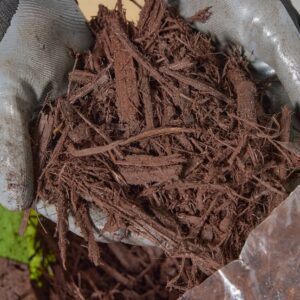
Fresh mulch is the fastest way to revitalize tired garden beds. Apply a 2-3 inch layer, keeping it clear of plant stems and tree trunks. Beyond aesthetics, mulch suppresses weeds and retains soil moisture. Scotts Nature Scapes mulches offer rich, color-enhanced options that maintain their appearance longer than basic wood chips.
Plant selection principles
When choosing plants, consider these guidelines from landscape professionals:
- Go native — Heat-tolerant, drought-resistant plants thrive with less maintenance
- Limit your color palette — Chicago designer Monique O’Brien recommends sticking to two bloom colors maximum. “Any more than two and it looks like a circus”
- Layer heights — Place taller plants in back, shorter in front to create visual rhythm
- Include evergreens — Boxwoods, lavender, and other evergreens provide year-round structure
Pruning essentials
Keep hedges trimmed to a uniform height (typically waist-high or below). Remove any branches that block windows, walkways, or your home’s facade. As a general rule, maintain 12 inches of clearance between plants and your house to prevent mold, insect issues, and chipped paint.
Entryway and decor: Making your front door welcoming
Your front entry is the focal point of your home’s exterior. Here’s how to make it count.
Front door upgrades
A fresh coat of paint on your front door delivers one of the highest returns on investment for curb appeal. Bold colors that work well include:
- Deep navy or charcoal for classic elegance
- Forest green for traditional homes
- Red for a vibrant, welcoming statement
- Turquoise for a playful, modern touch
Cost: $30-$50 for quality exterior paint. Time: One afternoon.
Hardware refreshes
Don’t overlook the details. Updated house numbers, a modern mailbox, and stylish door hardware signal that your home is current and cared for. Choose house numbers that are large, high-contrast, and visible from the street.
Planter strategy
Symmetrically placed planters flanking your front door create instant balance and sophistication. Virginia designer Erin Tripodi recommends that “each planter should be at least one-third the height of the door to feel visually proportionate.” For a traditional home, classic urns work beautifully. For modern architecture, consider sleek square boxes.
Lighting layers
Good exterior lighting serves both safety and aesthetics. Replace outdated or builder-grade fixtures with properly proportioned sconces. Add path lights to guide visitors, and consider warm-toned bulbs (2700K-3000K) for an inviting glow after dusk.
As designer Christopher Boutlier advises, “Oversized lanterns can distort scale and diminish architecture, while properly proportioned lights should support the form of the home, not compete with it.”
What to avoid
Some common choices actually hurt curb appeal:
- Security screens over front doors (designers agree they create an unwelcoming impression)
- Kitschy garden decor (gnomes, flamingos, excessive flags)
- Overgrown landscaping that blocks windows or the facade
- Clashing colors or too many competing visual elements
Your weekend curb appeal action plan
You don’t need months to make a difference. Here’s how to prioritize:
Quick wins (under 2 hours):
- Edge the lawn and driveway
- Add fresh mulch to garden beds
- Clean or replace house numbers and mailbox
- Hang a seasonal wreath
Weekend projects:
- Pressure wash siding, driveway, and walkways
- Mow and fertilize the lawn
- Paint the front door
- Install new light fixtures
Seasonal maintenance:
- Spring: Fertilize, plant annuals, deep clean
- Summer: Regular mowing, weed control, water management
- Fall: Final fertilizing, leaf removal, plant spring bulbs
- Winter: Prune trees and shrubs, plan next year’s improvements
Start boosting your curb appeal today
Great curb appeal isn’t about perfection. It’s about creating a home that looks loved, maintained, and welcoming. By focusing on these three pillars — deep cleaning with pressure washing, consistent lawn care, and thoughtful entryway decor — you can transform your home’s exterior without breaking your budget.
At Hardware Huddle, we’re here to help with every step of your home improvement journey. Whether you need equipment for a weekend project or advice on the right products for your climate, we’ve got the tools and expertise to help your home make the best possible first impression.
Frequently asked questions
Q1: What is the fastest way to improve curb appeal with pressure washing?
Focus on high-visibility areas first: your front walkway, driveway entrance, and the siding directly around your front door. These areas get the most attention from visitors and passersby. A clean driveway and walkway alone can make your entire property look more maintained.
Q2: How often should I apply lawn care products for the best curb appeal?
Fertilize your lawn every 6-8 weeks during the growing season. For products like Scotts Green Max, this means 3-4 applications per year in most climates. Fall fertilizing is particularly important because grass stores nutrients for spring growth. Mow weekly during peak growing season, and edge every 2-3 mows.
Q3: What front door colors work best for curb appeal?
Neutral tones like navy, charcoal, and forest green are timeless choices that appeal to most buyers. If you want something bolder, red and turquoise can work well when they complement your home’s exterior color. The key is choosing a color that contrasts with but coordinates with your siding and trim.
Q4: Can I pressure wash my own home, or should I hire a professional?
Most homeowners can handle pressure washing driveways, walkways, and single-story siding with a rental unit. However, hire a professional for two-story homes, delicate surfaces like stucco or soft wood, or if you’re uncomfortable with the equipment. The cost difference ($100 rental vs. $300 professional) may be worth the peace of mind.
Q5: What are the most affordable curb appeal tips that still make a big impact?
The highest ROI improvements include: edging your lawn (free if you have a trimmer), adding fresh mulch ($30-$50), painting your front door ($30-$50), updating house numbers ($20-$40), and power washing surfaces you already own or can rent. These five projects together cost under $200 and can be completed in a single weekend.
Q6: How do I maintain curb appeal tips year-round without constant work?
Choose low-maintenance plants like evergreens and native species that thrive in your climate with minimal intervention. Install drip irrigation for consistent watering. Set a schedule for seasonal tasks rather than trying to do everything at once. A little consistent effort throughout the year prevents the need for major overhauls.