
Spring has a way of making us look at our homes with fresh eyes. The snow melts, the days get longer, and suddenly that deck that looked fine in November now clearly needs attention. That fence you meant to fix last summer? Still wobbly. The gutters? Let’s not talk about the gutters.
Here’s the thing about spring projects: they’re rarely about one big transformation. They’re about dozens of small tasks that add up to a home that feels ready for the season ahead. And the right tools can make the difference between a project you actually finish and one that drags on until Memorial Day.
We’ve rounded up four trending tools that are earning their place in DIYers’ arsenals this spring. Some solve problems you didn’t know you had. Others do jobs you’ve been avoiding because they seemed like too much work. All of them share one trait: they make spring projects faster, easier, or more professional-looking than the alternatives.
What to look for in trending DIY tools
Before we get to the tools themselves, let’s talk about what separates genuinely useful new tools from gimmicks that’ll collect dust by July.
Build quality matters more than features. A simple tool that lasts 10 years beats a feature-packed one that breaks after two seasons. Look for solid construction, quality materials, and brands with reputations for durability.
Versatility multiplies value. The best tools do multiple jobs well. A specialized tool that only works for one specific task needs to be exceptional at that task to justify the purchase and storage space.
Ease of use determines whether you’ll actually use it. Some tools have learning curves worth climbing. Others are complicated for no good reason. Be honest about your patience level and skill set.
Price-to-performance ratio is the real metric. Expensive doesn’t always mean better. Cheap rarely means good. The sweet spot is usually mid-range tools from established brands.
Storage and portability affect everything. If a tool is too bulky to keep accessible, you won’t use it. If it’s too heavy to carry to the job site, you’ll find excuses not to.
|
Criterion |
Why It Matters |
What to Check |
|---|---|---|
|
Build quality |
Determines lifespan |
Materials, warranty, brand reputation |
|
Versatility |
Multiplies value |
Number of applications, interchangeable parts |
|
Ease of use |
Affects actual usage |
Learning curve, ergonomics, setup time |
|
Price-to-performance |
Real value metric |
Feature set vs. cost, durability |
|
Storage/portability |
Practical considerations |
Size, weight, case quality |
The 4 trending tools every DIYer needs this spring
1. RotoProducts
Best spring use: Gutter cleaning, outdoor furniture scrubbing, deck washing
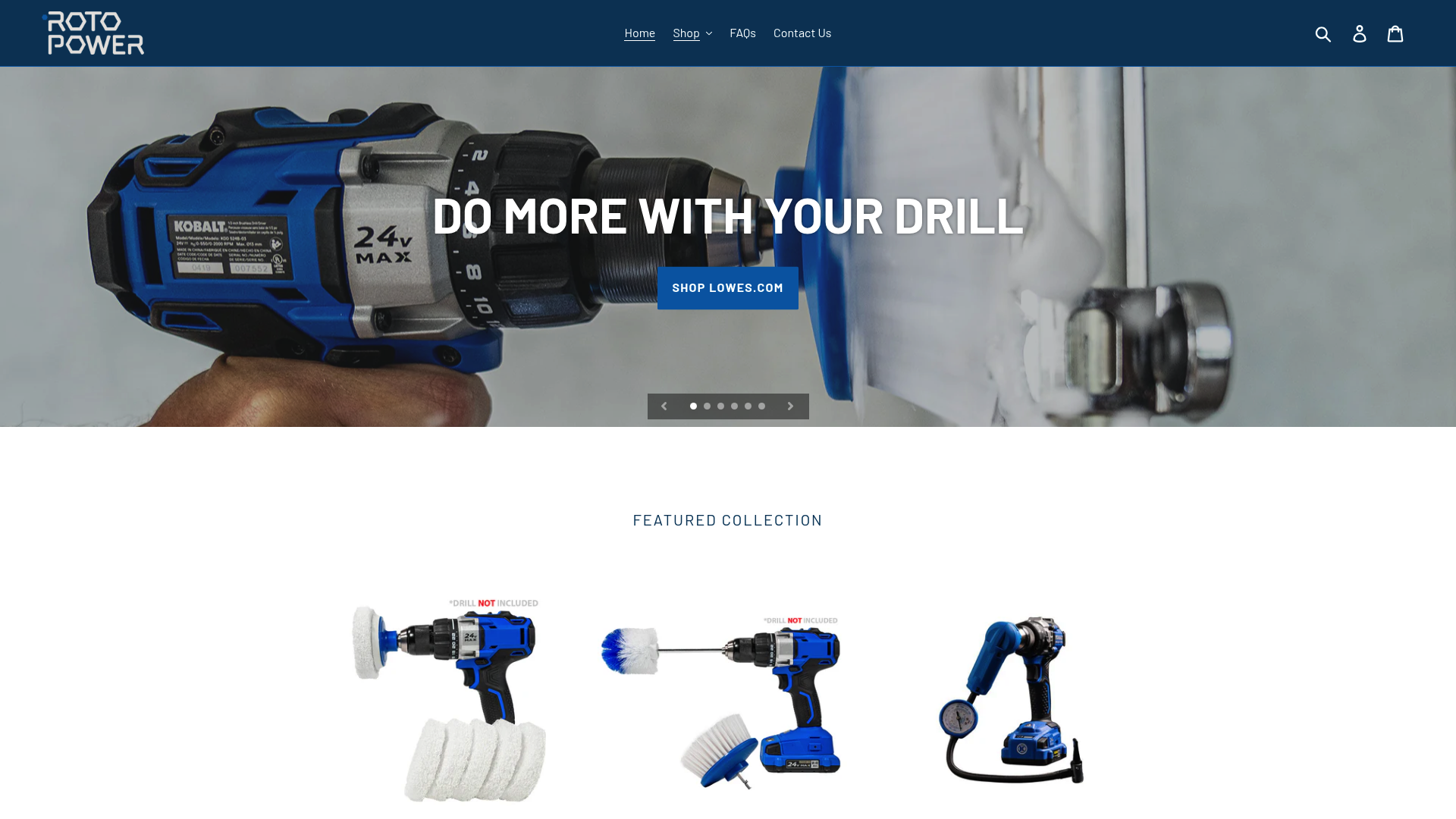 RotoProducts drill-powered cleaning attachments for outdoor scrubbing tasks
There’s a specific kind of frustration that comes from scrubbing something by hand when you know there has to be a better way. RotoProducts (also sold under the RotoScrub brand) is that better way. These are drill-powered cleaning attachments that turn your cordless drill into a scrubbing machine.
The concept is simple: various brush heads attach to your drill’s chuck and spin at drill speed, doing the scrubbing work for you. The Drill Powered Scrub Brush runs $12.98 and handles general scrubbing tasks. The Bathroom Cleaning Scrub Pads kit at $16.98 includes multiple pad types for different surfaces. For tight spaces, the Corners & Edges Extended Reach Brush costs $9.98.
For spring projects specifically, the ROTOPOWER Bug Scrubber Impact Drill Attachment is worth considering. It’s designed to remove dried bugs, tar, and road grime from vehicle surfaces, but works equally well on outdoor furniture that’s been sitting through winter.
Why it’s trending: Drill-powered attachments have been around, but RotoProducts has refined the category with better brush designs and more specialized attachments. The price point is low enough that most DIYers can justify adding one or two to their toolkit without overthinking it.
Pros:
-
Transforms a tool you already own (cordless drill)
-
Dramatically faster than hand scrubbing
-
Individual attachments are affordable
-
Works on multiple surfaces with different brush heads
2. Damp Dusting Sponges
Best spring use: Post-winter deep cleaning, allergen removal, delicate surfaces
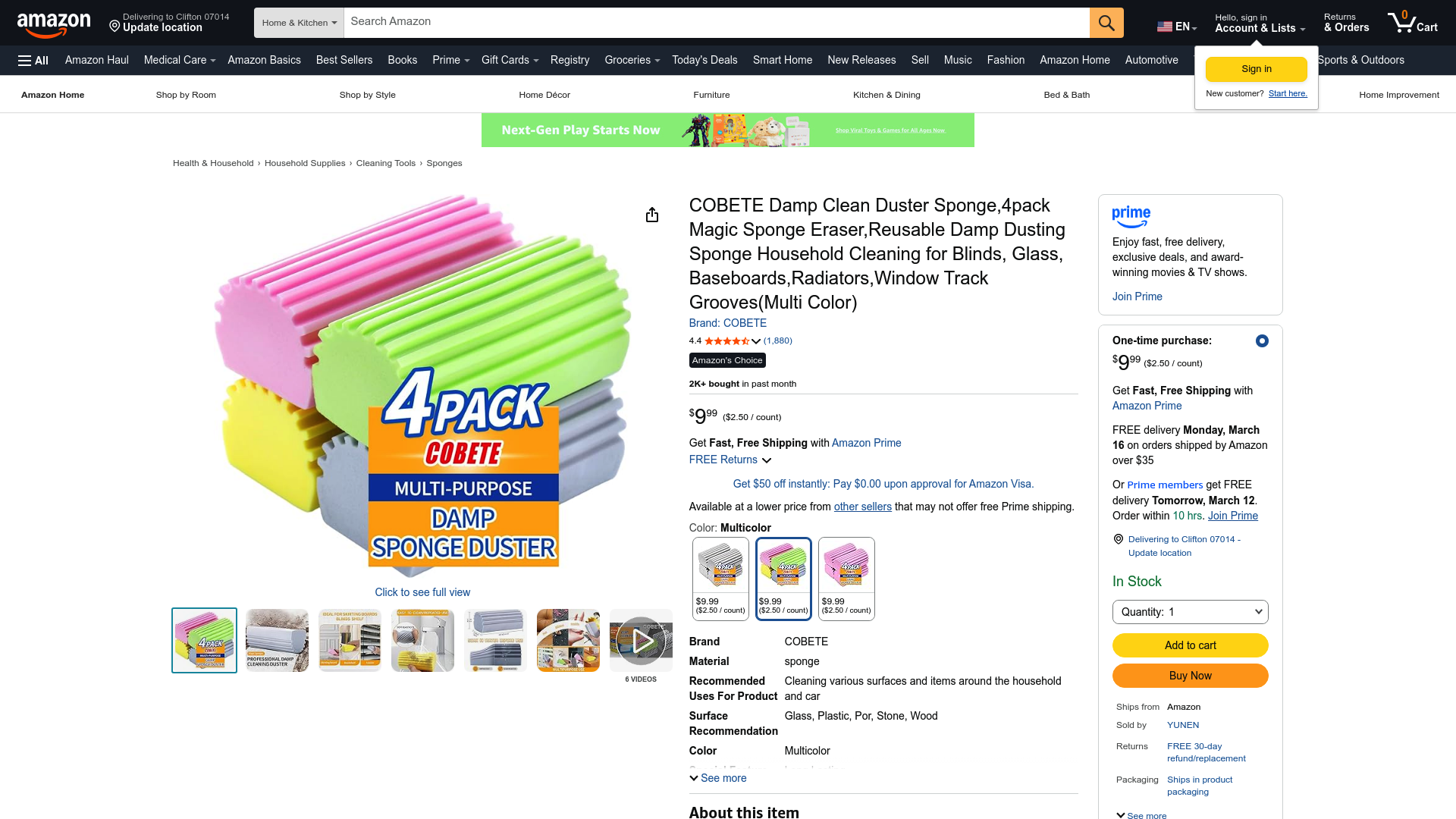 Damp dusting sponges for chemical-free dust trapping on Amazon
Sometimes the best tools are the simplest ones. Damp dusting sponges went viral on TikTok for good reason: they solve a problem most of us have learned to live with. Traditional dusting either pushes dust around (feather dusters) or requires multiple products and steps (spray plus cloth). These sponges trap dust using only water.
The Good Housekeeping Institute tested the viral trend and confirmed what TikTok users were claiming. The sponges come pre-moistened but can be re-soaked as needed. You squeeze out excess water, wipe surfaces, and the raised edges of the sponge trap dust instead of letting it resettle. When you’re done, you rinse the sponge in the sink, squeeze it out, and let it dry.
A 4-pack on Amazon runs about $10. The Scrub Daddy Damp Duster is a branded alternative with similar functionality.
“These damp dusting sponges are incredibly effective. They’re able to get into nooks and crannies I can’t get to with other cleaning tools, and they hold onto dust better than other products. Plus, they’re incredibly affordable at less than $10 for a four-pack.” Laura Millar, Assistant Lifestyle Editor, Good Housekeeping
Why it’s trending: The combination of low cost, simplicity, and effectiveness makes this an easy impulse buy that actually delivers. After months of closed windows, spring cleaning generates serious dust. These sponges handle it without chemicals or multiple products.
Pros:
-
No cleaning chemicals needed
-
Traps dust instead of redistributing it
-
Gets into tight spaces and crevices
-
Reusable and washable
-
Extremely affordable
3. Bosch BLAZE Laser Measurers
Best spring use: Deck planning, fence installation, outdoor layout projects
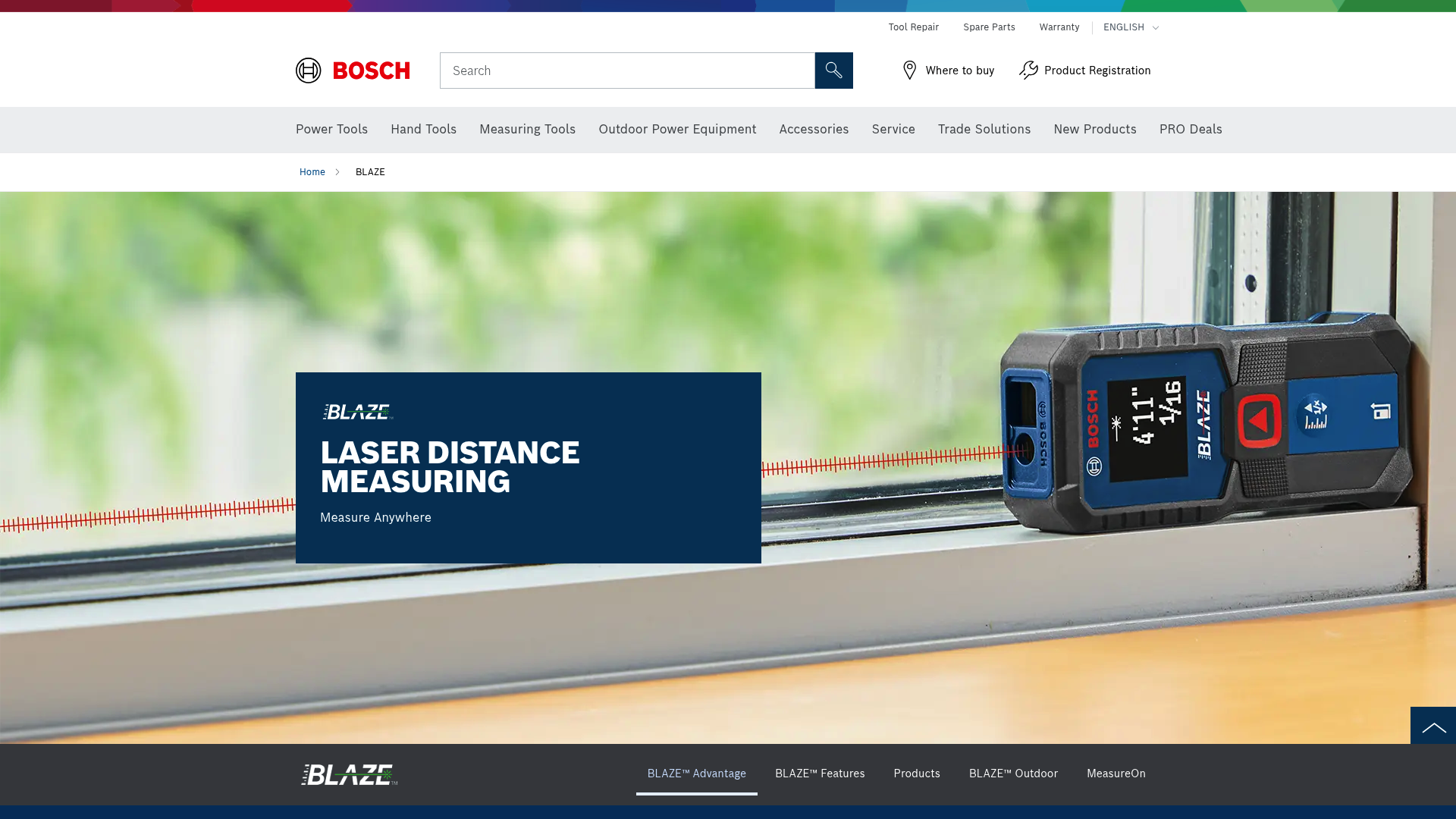 Bosch BLAZE laser measurer product lineup for precise measurements
Tape measures work fine until they don’t. Try measuring a long span by yourself, or getting an accurate reading across uneven ground, or calculating the square footage of an irregular space. A laser measurer eliminates all of these headaches.
Bosch’s BLAZE series represents their laser measuring lineup, ranging from basic distance measurers to advanced models with area and volume calculation built in. The GLM165-40 model measures up to 165 feet and calculates area and volume automatically. Bosch also offers the REVOLVE series for advanced layout work and Visimax for enhanced visibility in bright conditions.
For spring projects, laser measurers excel at:
-
Planning deck dimensions before buying materials
-
Measuring fence runs to calculate post spacing
-
Laying out garden beds and hardscaping
-
Checking square on foundations and patios
-
Calculating material quantities for projects
Why it’s trending: Laser measurers have been dropping in price while adding features. What was once a $300+ contractor tool is now accessible to serious DIYers. The time savings alone justify the cost if you’re planning multiple projects.
Pros:
-
One-person operation (no helper needed)
-
Calculates area and volume automatically
-
More accurate than tape measures over long distances
-
Compact and portable
-
Professional results
4. Oscillating Multi-Tools
Best spring use: Detail sanding, grout removal, trim work, repair projects
There’s a reason people call this “the one tool every DIYer eventually discovers.” It’s not that you can’t do most of these jobs with other tools. It’s that the oscillating multi-tool does them in spaces where no other tool fits.
The tool works by oscillating (moving side to side at high speed) rather than rotating. This lets you cut, sand, scrape, or grind with precision in tight spaces. The real magic is in the blade selection: plunge blades for starting cuts in the middle of material, segmented blades for flush cutting, scraper blades for removing grout or adhesive, sanding pads for detail work.
The Milwaukee 20-Piece Oscillating Multi-Tool Blade Kit offers versatility with titanium-enhanced bi-metal blades that handle wood, soft metals, and multi-material cuts. Family Handyman named the Dremel Multi-Max as their best oscillating tool pick.
“I liked that the Milwaukee blades fit my non-Milwaukee oscillating tool perfectly. The blades were stiff enough but also had just the right amount of flexibility, and they stayed nice and sharp. The bi-metal blade cut off a copper pipe in just a few seconds, even after sawing through ten 16d framing nails.” Mark Wolfe, Product Reviews tester and writer, Bob Vila
Why it’s trending: As DIYers tackle more complex projects, the limitations of basic tool collections become apparent. The oscillating multi-tool fills gaps you didn’t know existed until you need to cut a door jamb for flooring, remove old caulk from a shower, or sand a detailed piece of furniture.
Pros:
-
Unmatched versatility in tight spaces
-
Huge variety of blade types available
-
Universal blade systems fit multiple brands
-
Corded and cordless options
-
Precision work impossible with other tools
Which tool is right for your spring project?
|
Tool |
Best For |
Skill Level |
Price Range |
Project Type |
|---|---|---|---|---|
|
RotoProducts |
Outdoor cleaning, scrubbing |
Beginner |
$10-$50 |
Maintenance |
|
Damp Dusting Sponges |
Indoor cleaning, dusting |
Beginner |
$10-$25 |
Cleaning |
|
Bosch BLAZE Laser Measurer |
Layout, planning, measuring |
Beginner-Intermediate |
$50-$300+ |
Planning |
|
Oscillating Multi-Tool |
Repairs, detail work, sanding |
Intermediate |
$50-$200+ |
Repairs |
Getting the most from your new tools
Buying a tool is only the first step. Here’s how to actually use it well.
Read the manual. Seriously. Even for simple tools. You’ll learn features you didn’t know existed and avoid mistakes that damage the tool or your project.
Start with practice projects. Don’t learn on the project you care about most. Test new tools on scrap material or less visible areas until you’re comfortable.
Invest in quality accessories. The tool is only as good as the blade, bit, or attachment you’re using. Cheap consumables produce cheap results and can damage your tool.
Store tools properly. Moisture is the enemy. So is throwing tools in a pile where they bang against each other. A little organization extends tool life significantly.
Safety gear is non-negotiable. Eye protection for anything that spins or cuts. Hearing protection for loud tools. Dust protection for sanding. The few seconds it takes to gear up beats the alternative every time.
Start your spring projects with confidence
Spring projects don’t have to be overwhelming. The right tools break big jobs into manageable tasks and make the work itself more satisfying. Whether you’re deep-cleaning after a long winter, planning a new deck, or finally fixing that trim that’s been bothering you, there’s a tool on this list that can help.
The best tool purchase is the one that gets used. Not the most expensive, not the most feature-packed, but the one that solves real problems for your specific projects. Consider what you’ll actually be working on this spring, choose accordingly, and get started. Summer will be here before you know it.
Frequently Asked Questions
Do I need all four of these tools for spring projects?
Not necessarily. Start with the one that addresses your biggest pain point. If you’re planning a deck build, the laser measurer pays for itself in accurate material ordering. If you’re mostly cleaning and maintaining, RotoProducts and damp dusting sponges are the better investments.
Are these tools suitable for beginners?
Three of the four are beginner-friendly. The damp dusting sponges and RotoProducts require no special skills. The laser measurer has a slight learning curve but is still accessible. The oscillating multi-tool requires the most technique, but it’s learnable with practice.
Can I use RotoProducts attachments with any drill?
Yes, as long as your drill has a standard chuck that can accept the attachment shaft. Impact drivers work too, though the hammering action isn’t necessary for cleaning tasks.
How accurate are laser measurers compared to tape measures?
For most DIY applications, laser measurers are more accurate than tape measures, especially over longer distances. The laser eliminates the sag and alignment issues that affect long tape measurements. Just ensure you have a solid target for the laser to hit.
What’s the difference between corded and cordless oscillating multi-tools?
Corded models offer unlimited runtime and typically more power for heavy-duty work. Cordless models offer portability and convenience, especially for outdoor projects or jobsites without easy power access. If you already have batteries from a major tool brand, staying in that ecosystem makes sense.
How long do damp dusting sponges last?
With proper care (rinsing after use, squeezing out excess water, and letting them dry), a sponge should last several months of regular use. Replace when the sponge starts breaking down or losing its ability to trap dust effectively.